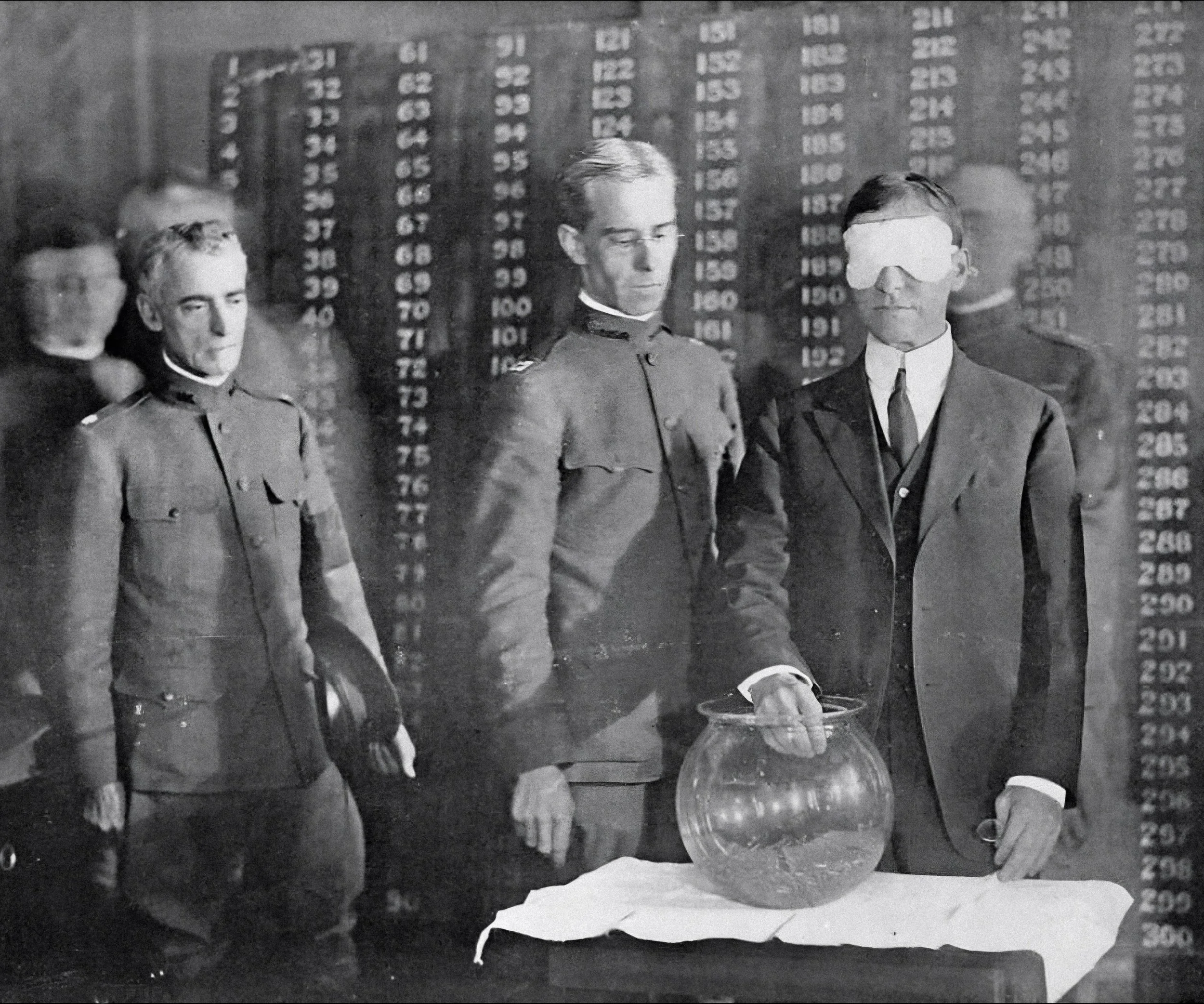
On 20 July 1917, U.S. Secretary of War Newton D. Baker was blindfolded and reached into a glass bowl. He drew the number 258, the first number in a national draft lottery that would determine the order in which millions of young men could be called to fight in Europe. War reduced a life to a number. Who would be needed, and for what, was decided by chance.
Blindfolded begins there.
More than a century later, war has returned to Europe’s political imagination. Three days after Russia’s full-scale invasion of Ukraine, German Chancellor Olaf Scholz named the rupture a Zeitenwende: a turning point in which assumptions about peace, security and military power could no longer be taken for granted. Even the language of war has returned. In the United States, the title Secretary of War— discarded after the Second World War—has returned. Pete Hegseth is now Secretary of War.
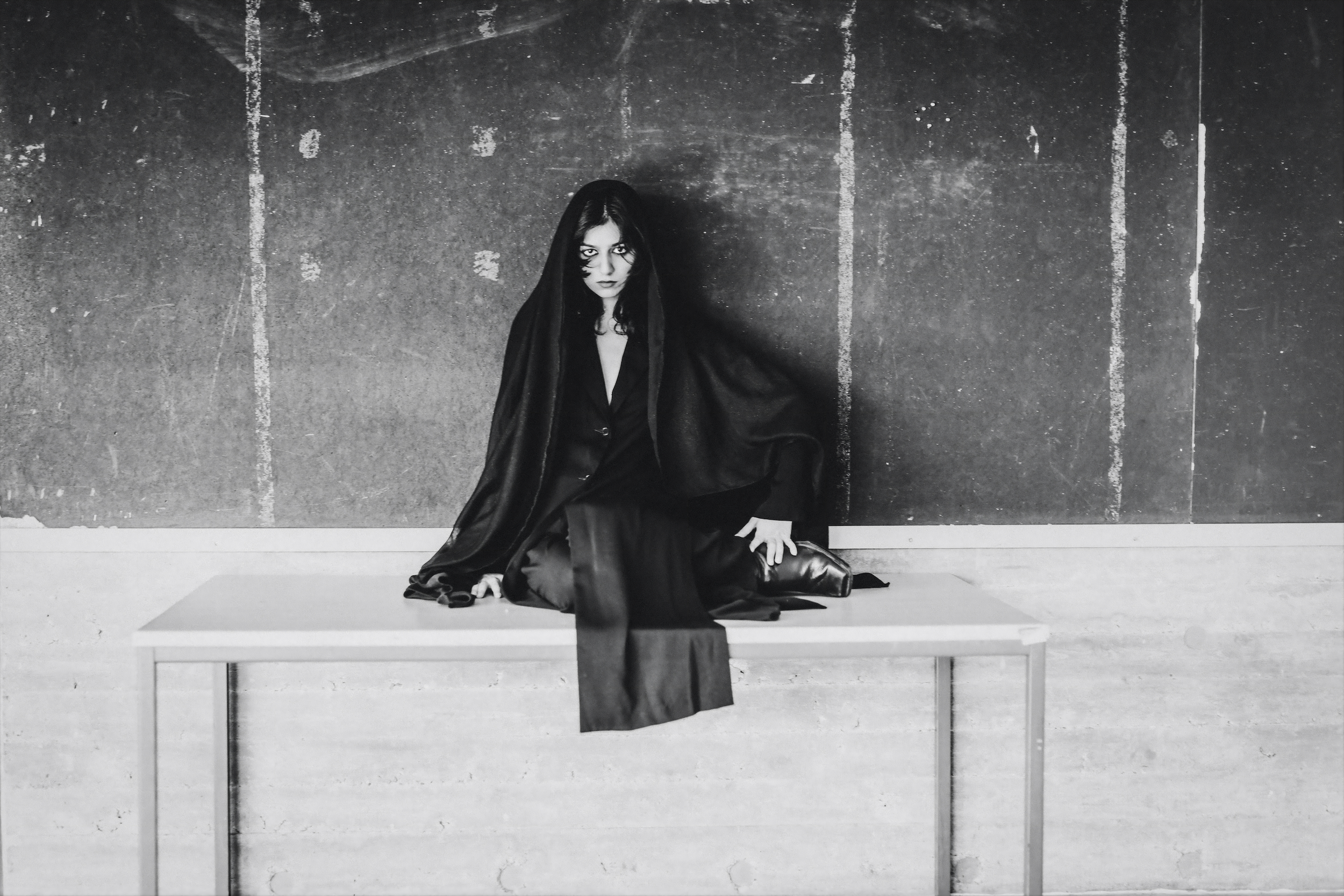
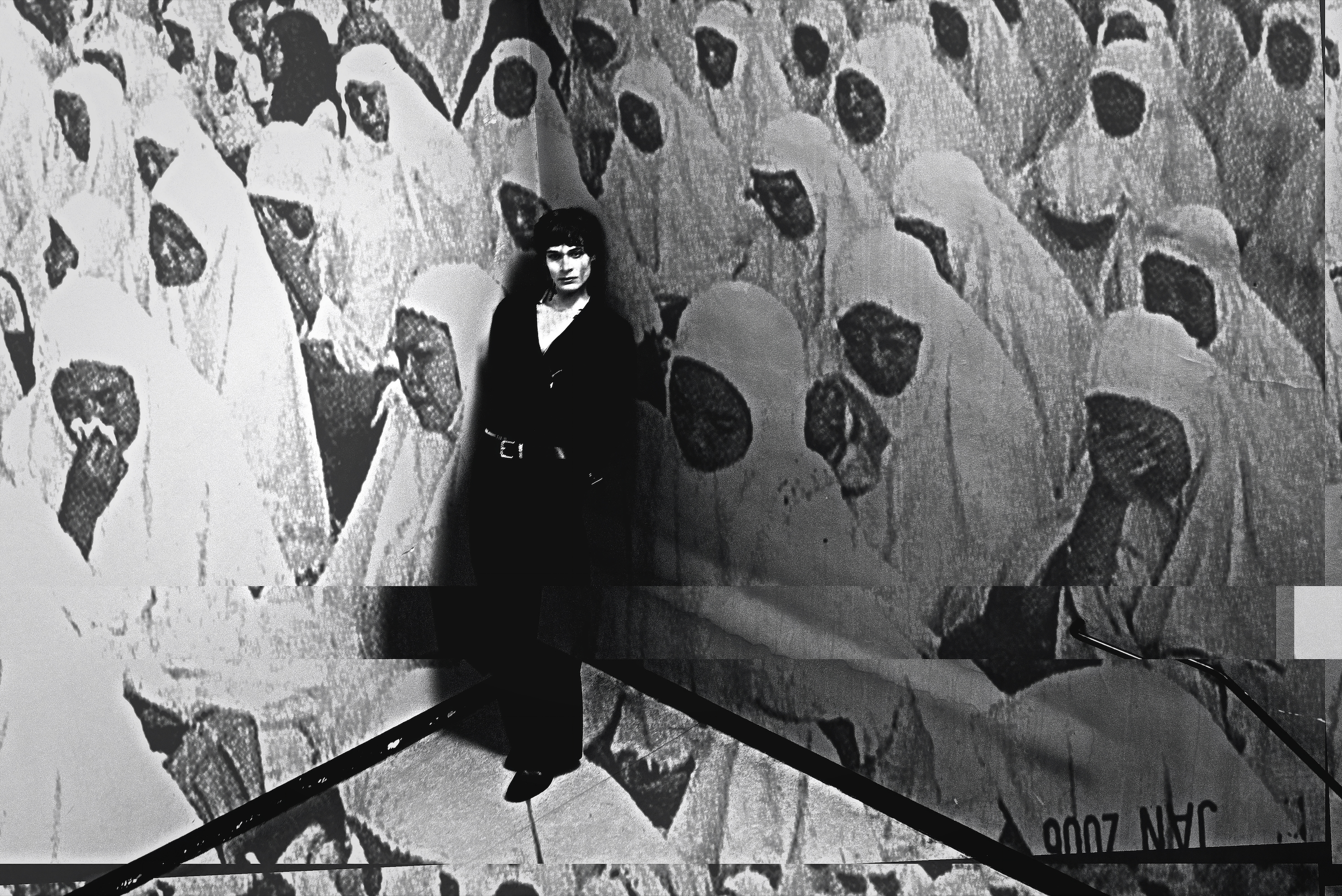
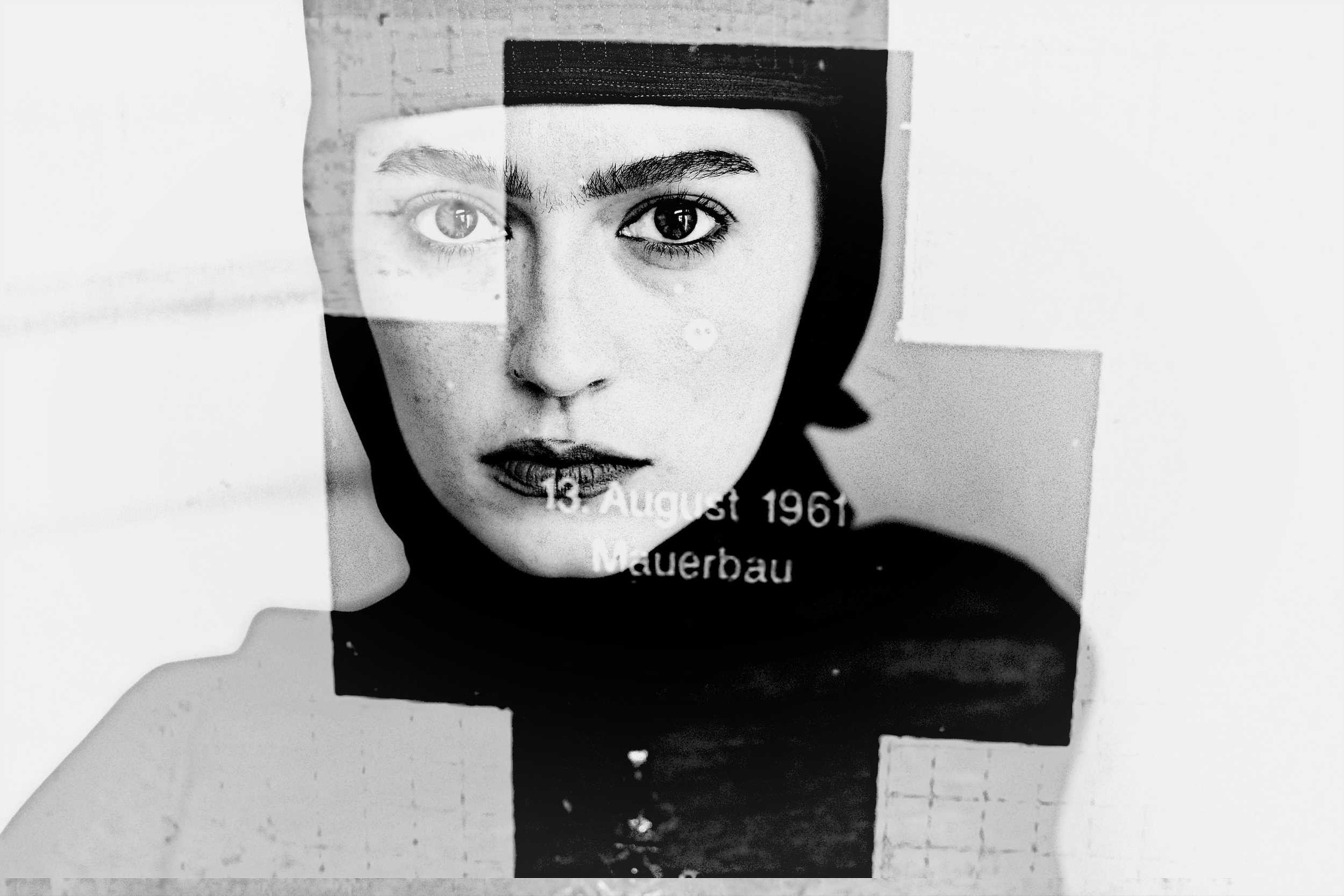
Blindfolded places these moments against one another: a world in which the state once selected bodies by lottery, and a world in which bodies can increasingly be read through data.
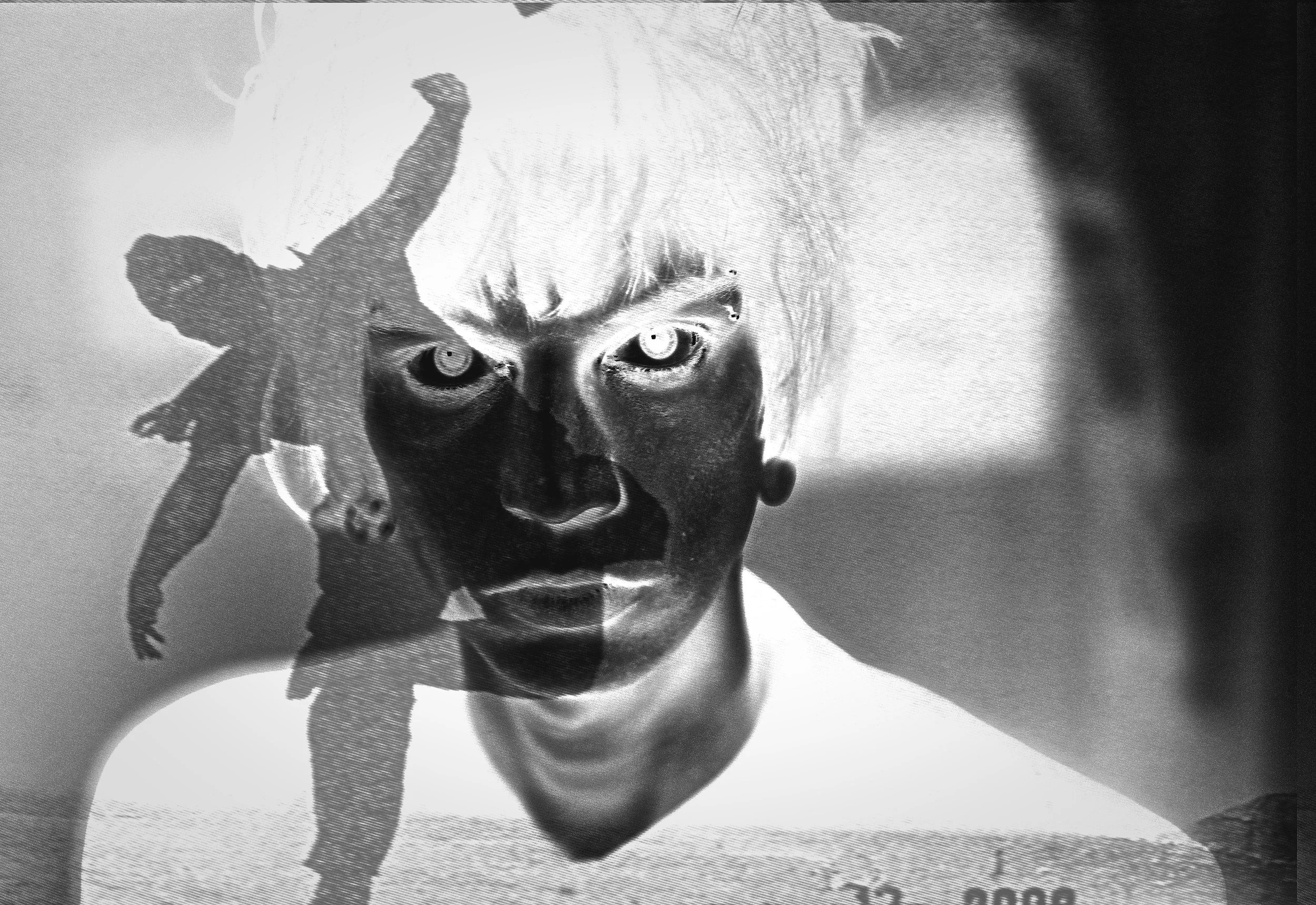
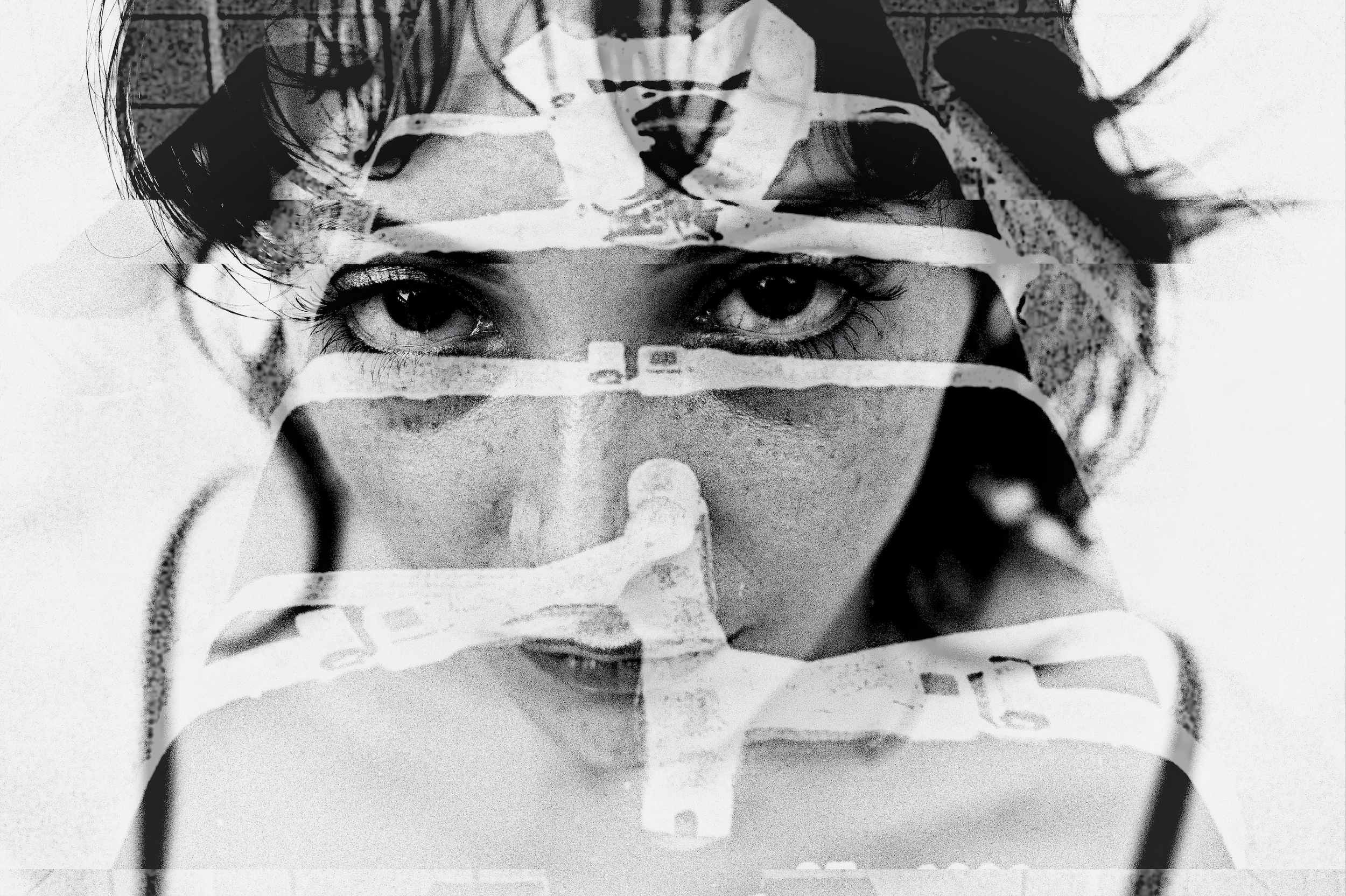
Visitors enter their name and allow their image to be taken. The machine searches the digital traces available about them and uses what it finds to connect them to a historical war photograph from the Imperial War Museum in London.
A face from the present is placed against a body from the past. The visitor no longer looks at war from a safe historical distance, but is asked to imagine themselves inside it.
The logic of selection, however, has changed. In 1917, the machine knew almost nothing about the person behind the number. Its authority depended on blindness.
Today, machines can know where we live, what we do, what we look like, what we desire, whom we know and how we behave. Selection no longer needs to appear random. It can appear informed.
Blindfolded asks what happens when the lottery is no longer blind. Who decides what a person is useful for when war returns: the state, the algorithm, the corporations that hold our data? And what happens when systems designed to know us are also able to classify, assign and mobilise us?
Moving between déjà vu and amnesia, Blindfolded confronts a political imagination that has learned to think of war as history. The question is no longer whether we can imagine war returning, but whether we can imagine where, inside it, we would be placed.